iOS 27 and macOS 27 Golden Gate
Last year, Apple
introduced its new “Liquid Glass” design as one of the biggest visual changes
in years. After mixed user feedback, Apple has now refined the concept significantly.
Both iOS 27 and macOS 27 “Golden Gate” offer more control over transparency and
noticeably improve interface readability. Users will be able to adjust the intensity of
the glass effects with a dedicated transparency slider.
macOS 27 Golden Gate in particular focuses on improving the design decisions introduced
so far. Colored sidebar icons are returning, windows feel more clearly structured, and
the entire interface looks cleaner. At the same time, Apple has delivered a range of
performance improvements. Spotlight is faster, system search has been reworked, and
many apps launch noticeably quicker.
iOS 27 also puts the focus on speed and stability. Apple promises shorter loading times,
smoother animations, and tighter integration of AI features into existing apps.
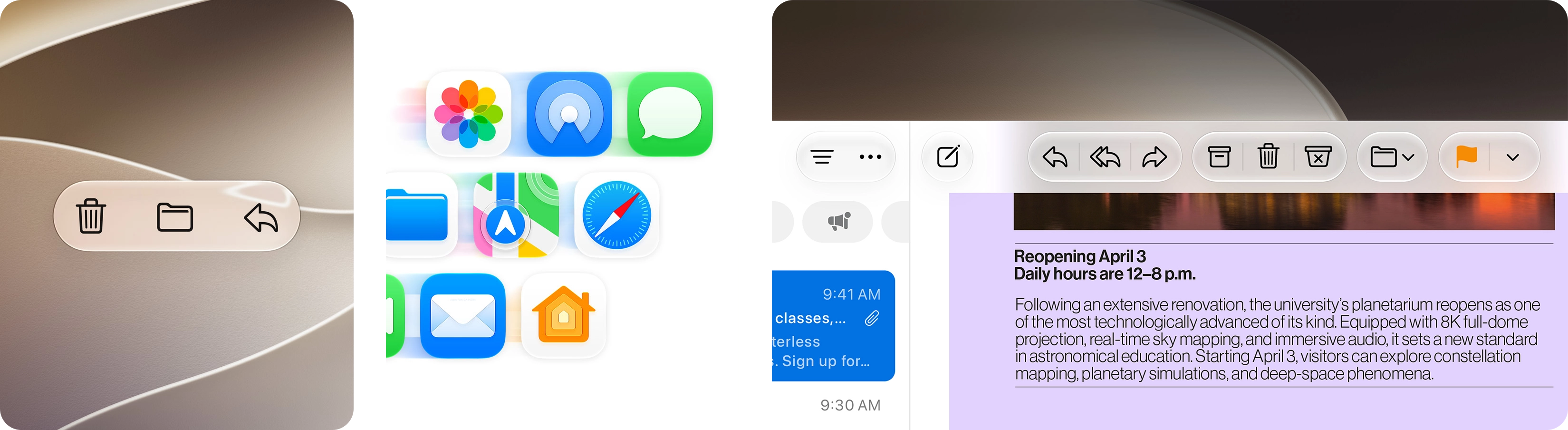
Figure 1: Liquid Glass after another round of refinement, quite literally
More Safety for Children and Teenagers
Another major focus of WWDC26 was the protection of children and teenagers. Apple is
significantly expanding its existing family and child safety features in response to
growing societal pressure around digital safety.
One new feature is the ability to share age ranges with apps in a privacy-friendly way.
Instead of revealing an exact birth date, parents can simply approve an age category.
That gives developers the information they need for age-appropriate content without
processing sensitive personal data.
In addition, these protections will no longer be limited to traditional child accounts.
Teenagers between the ages of 13 and 17 will also benefit by default from expanded
content filters, Communication Safety, and additional safeguards against inappropriate
content. At the same time, Apple is introducing more detailed age ratings in the App
Store and giving parents better control over new contacts and communication requests
involving their children.
With that approach, Apple is continuing its strategy of implementing privacy and youth
protection as directly as possible at the operating system level instead of leaving the
responsibility entirely to app providers.
Siri AI and the Next Stage of Apple Intelligence
The most exciting topic at WWDC26 was arguably the future of Siri. After several delays
and a difficult rollout for Apple Intelligence, Apple has fundamentally reworked its
voice assistant and repositioned it under the name “Siri AI.”
Siri AI is designed to communicate more naturally, understand longer conversations, and
handle complex tasks across multiple apps. The assistant is better at recognizing
context, using personal information appropriately, and analyzing content on the screen.
On top of that, Siri is getting its own dedicated app for the first time, complete
with chat history and expanded AI features.
Apple Intelligence is also becoming more deeply integrated across the ecosystem. Safari
will be able to organize websites more intelligently, Photos is getting new AI tools
for image editing and cutouts, and Shortcuts can now be created using natural
language. The goal is for AI to feel less like a separate feature and more like a
built-in background assistant.
There is one catch for European users, though: Siri AI will not be available in the EU
at launch. Apple points to regulatory requirements and privacy issues that still need
to be resolved. As a result, the new AI features will initially launch as an English
beta outside the EU.
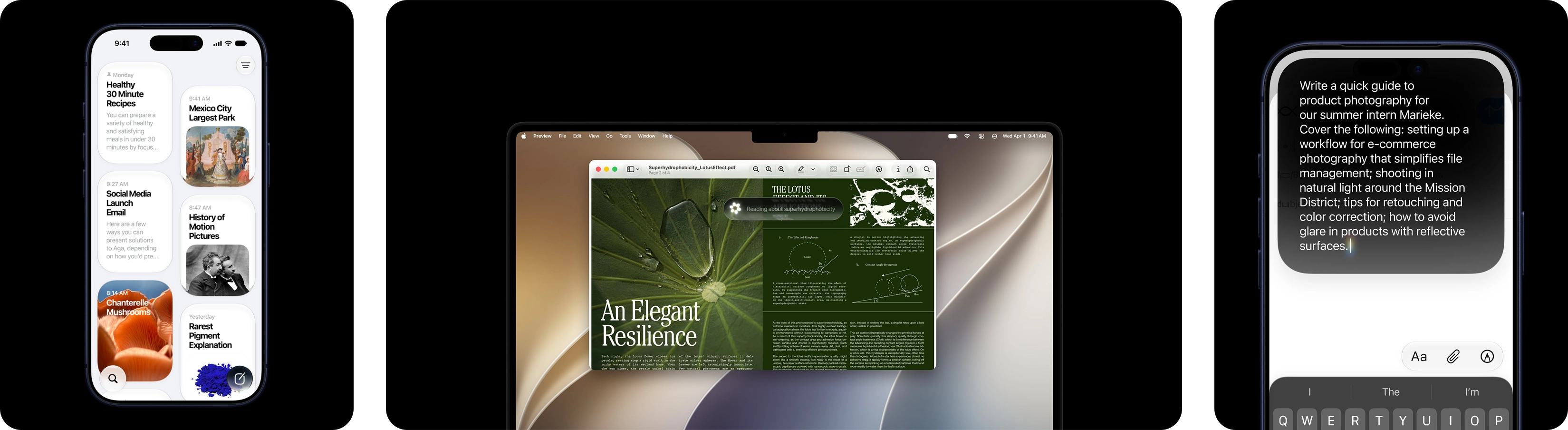
Figure 2: Alongside its improvements, Siri is now getting its own app
Conclusion
WWDC26 may not have featured spectacular new hardware, but it did present a clear
evolution of Apple’s software. Apple responded to user feedback and significantly
improved Liquid Glass, continued investing in protections for children and teenagers,
and is trying to regain momentum in the AI race with Siri AI. While European users
will have to wait a little longer for some of these features, the conference made one
thing clear: artificial intelligence is set to become deeply integrated across the
entire Apple ecosystem.