More Flexibility Without Chaos - Why Figma Slots Are Changing Design Teams
Over time, design systems in Figma often became unnecessarily complex. Variants multiplied,
components became harder to maintain, and teams increasingly relied on workarounds. With
Figma Slots, Figma now introduces a solution that addresses exactly these problems. After
testing with selected teams, the feature is now available as an open beta and adds more
flexibility to existing systems. But what is behind it, and what real value does it
deliver?
What Are Figma Slots?
Figma Slots are flexible placeholders within components that let you insert content
without detaching the component. Text, images, and other elements can be used
variably while the structure stays intact. This brings a familiar development principle
into the design process and combines flexibility with consistency.
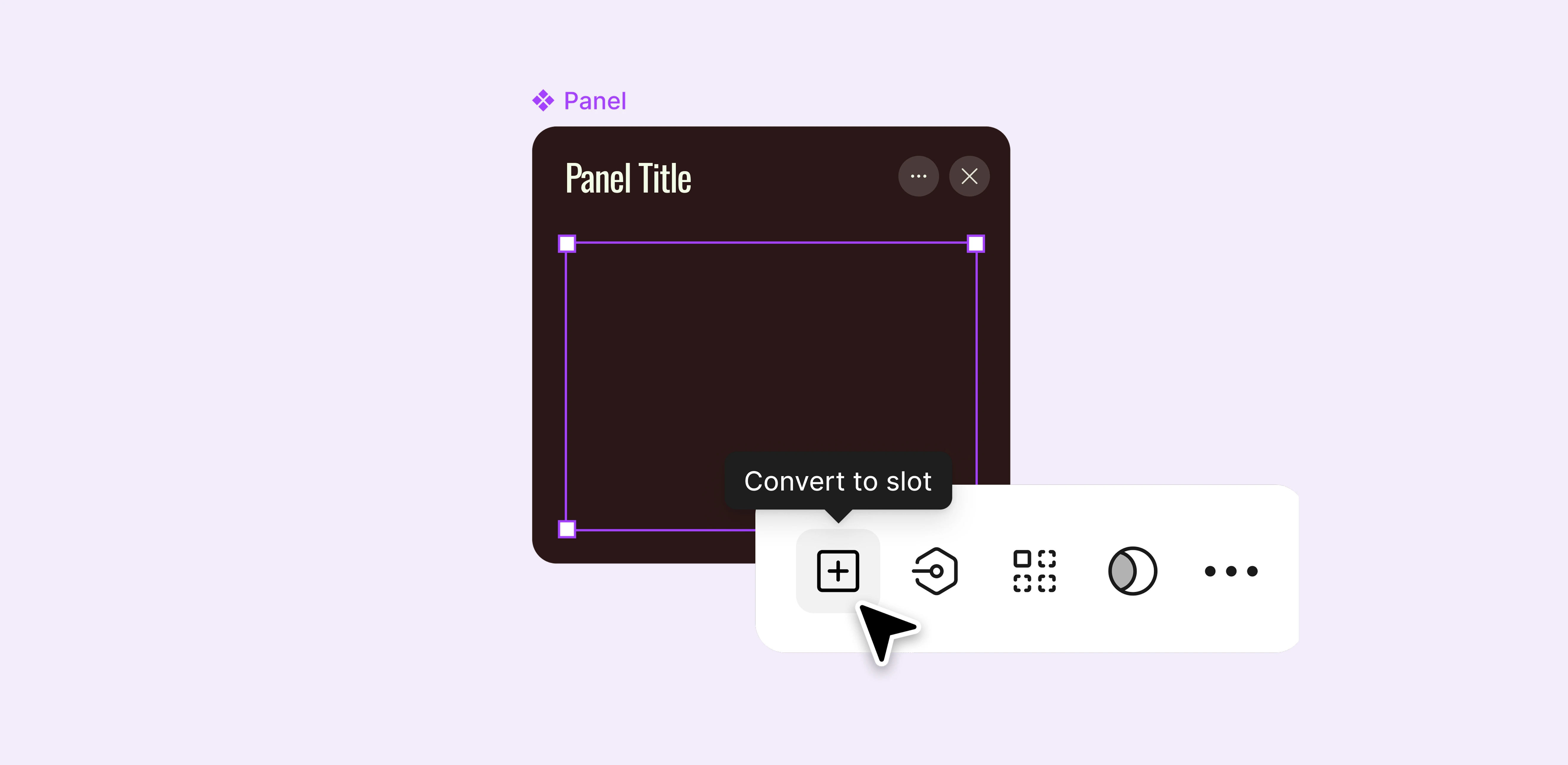
Figure 1: Converting a frame into a Figma Slot
Why Was This Feature Introduced?
Many design systems reach their limits because they become too rigid over time. The
result is too many variants, inconsistent solutions, and inefficient workflows. Slots
reduce this complexity by creating clearly defined areas within components that can be
filled flexibly. This keeps systems organized while allowing teams to work more
freely.
Tested by Teams - Now in Beta
Figma tested Slots with design teams before release. Especially in complex components,
the benefit was clear: fewer workarounds and faster workflows. The feature is currently
available as an open beta. That means it is already usable but still actively evolving.
Benefits of Figma Slots
Slots make design systems more flexible and easier to maintain at the same time.
Components stay connected, updates continue to work, and the number of variants is
reduced significantly. They also improve collaboration with developers by aligning with
familiar code structures. Overall, they enable faster and more consistent design
processes across teams.
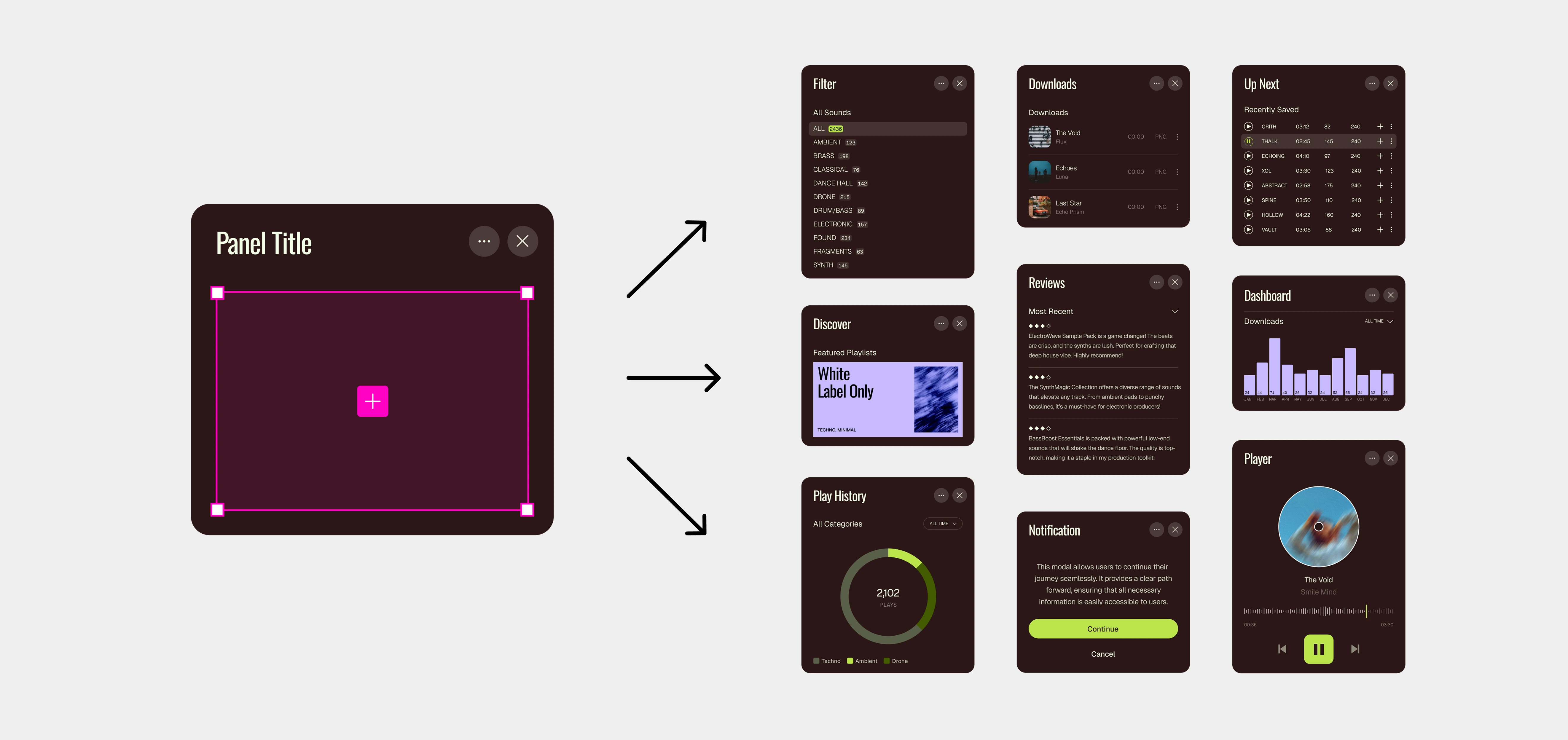
Figure 2: Flexible use of Figma Slots within a design system
Risks and Challenges
The new flexibility also introduces challenges. Without clear rules, inconsistent designs
can happen more quickly. The beta status also means the feature may still change. Teams
also need to adapt to new workflows and define stronger design system governance.
Conclusion: A New Standard for Design Systems?
Figma Slots create a new balance between structure and flexibility. For modern design
teams, they could be exactly the solution needed to keep systems scalable and practical
at the same time. The key factor will be how well teams guide this new freedom and
integrate it into existing processes.